

Abstract
During the COVID-19 pandemic, an increase in the incidence of burns in the pediatric population was observed worldwide, in our institution an increase was observed in the same way in the year 2020 and after this in the year 2021, when pandemic restrictions were continued. All burns occurred in the home, and the majority were from scalds. The objective of this article is to raise the call for attention to increase prevention measures so that these accidents are reduced and avoid their sequelae.
Keywords
COVID -19, Burns, Pediatrics, Prevention, Children, Pandemic
Main Text
During the COVID-19 pandemic, an increase in the incidence of burns in pediatric patients was observed worldwide. In our service we noticed an increase in patients admitted to the pediatric intensive care unit of the University Hospital "Dr. José Eleuterio González" of the Autonomous University of Nuevo León [1] during the first months of the pandemic in 2020 and in the following year 2021, a period in which minors were still in their homes and some restrictions continued due to the SARS CoV-2 virus. We present an incidence similar to that observed at the beginning of the pandemic, while in 2022, a period in which post-pandemic restrictions were less and children returned to school in person, an incidence similar to previous years was observed (Figure 1).
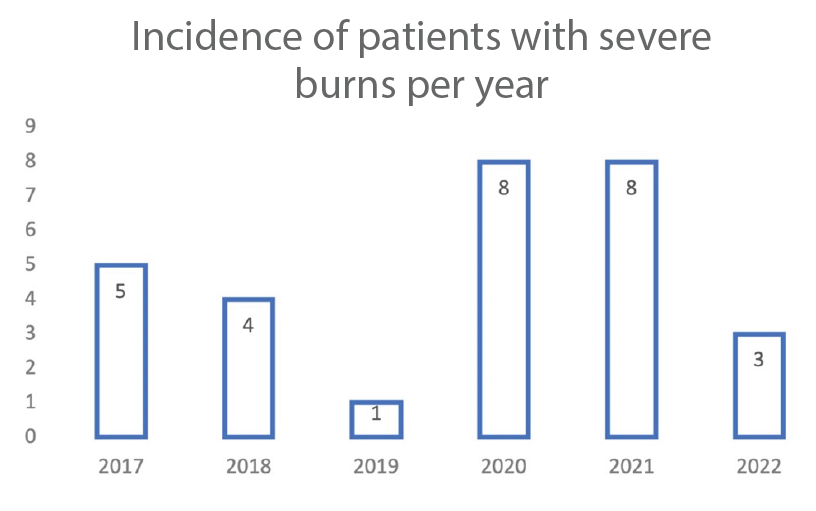
Figure 1. Incidence of patients with severe burns in the period 2017 - 2022, at the University Hospital "Dr. José Eleuterio González.
Of the 8 patients in the year 2021; 100% of the cases were at home, in 63% of the cases it was caused by scalding and in the rest by direct fire (Figure 2), secondary to an accident in 1 home affecting 3 minors, with 75%, 85% and 90% of the total body surface burned, of which 1 died (12.5%) due to the great extension of the burn (the one with the greatest extension), this being the only death presented in these last 2 years in pediatric patients with severe burns. Six patients (75%) were under 5 years of age, and the other 2 belonged to the previously mentioned group of siblings injured at home (Figure 3). Our hospital is not a referral center for burn patients, instead we stabilize the patient and thereafter they are transferred to another center for specialized care, 6 patients (75%) required airway protection and invasive mechanical ventilation, 75% of the cases required the use of vasopressors. Two patients (25%) were found in our service for more than 24 hours because their burns were 15% or less of the total burned body surface area and were managed by the plastic surgery service, without requiring transfer to a specialized care hospital.
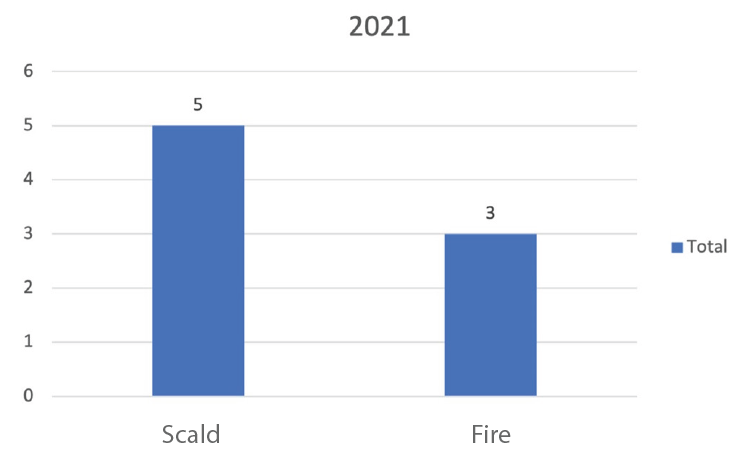
Figure 2. Cause of severe burns in 2021, at the “Dr. José Eleuterio González.
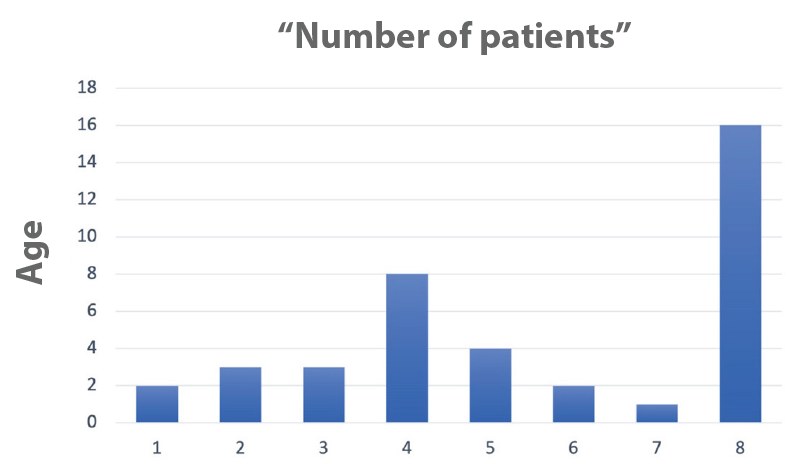
Figure 3. Age of patients with severe burns in 2021, at the “Dr. José Eleuterio González.
Let us remember that burns are an important cause of morbidity and mortality, the vast majority of which are preventable. They occur with a higher incidence in children than in adults, due to their lower motor capacity to withdraw from the place and in preschool age due to their great interest in exploring the surrounding environment [2]. In the pediatric population, the main cause of burns is those carried out by scalding, which are generally extensive and shallow, and more common in children under 5 years of age [3]. Burn injuries cause prolonged hospital stay, deformity and disability, affecting the quality of life of the minor, affecting their mental health and also that of the family [4].
During the years in which the children were at home is when an increase in cases of serious burns was observed and all of them occurred at home, for which we emphasize reinforcing prevention measures against accidents that can come to be fatal and in the cases of not being fatal there are serious aesthetic, functional, and mental consequences.
References
2. Pelizzo G, Lanfranchi G, Pantaloni M, Camporesi A, Tommasi P, Durante E, et al. Epidemiological and clinical profile of pediatric burns in the COVID-19 era: the experience of a reference center. Children. 2022 Nov 11;9(11):1735.
3. Fernández-Santeras Y, Melé Casas M. Burns. Pediatric Diagnostic Protocol. 2020;1;275-287.
4. Başaran A, Özlü Ö. Pediatric burns and the leading factors of burn injury. Genel Tip Derg. 2022 Mar;32(2):215-219.