

Abstract
An excessive and repeated high fluoride exposure over a long period of time is harmful to the health of humans and domestic animals and causes several toxic effects in the form of fluorosis disease. If fluoride exposure is due to industrial fluoride, the disease is known as industrial fluorosis. In recent years, due to rapid industrialization in India, various health problems are increasing continuously among domesticated bovine animals, cattle (Bos taurus) feed and water buffalo (Bubalus bubalis) living and grazing in industrial areas due to industrial fluoride pollution. In fact, many coal-burning and industrial activities, such as power generating stations and the manufacturing of steel, iron, aluminum, zinc, phosphorus, chemical fertilizers, bricks, cement, hydrofluoric acid, etc are generally discharging fluoride into their surrounding areas which create industrial fluoride pollution. An industrially emitted fluoride not only contaminates the surrounding environment including soil, air and fresh water reservoirs, but also contaminates vegetation, agricultural crops and many other biological communities on which bovines generally survive. These animals develop a number of toxic effects on their teeth (dental fluorosis), bones (skeletal fluorosis) and soft organs (non-skeletal fluorosis) due to chronic industrial fluoride intoxication. Due to industrial fluorosis, bovine animals become physically weak and lame, and diverse health problems, such as anemia, gastrointestinal discomforts, polyuria, polydipsia, impaired reproduction, etc. are also found in them. In the country, many bovines are suffering with industrial fluorosis. In these animals, the maximum prevalence, 84.11% of industrial dental fluorosis and 72.0% of skeletal fluorosis has been reported. In the country, the research works done so far on industrial fluorosis in bovines are briefly and critically reviewed in the present communication. Along with this, the focus has also been on the adverse socio-economic impacts of industrial fluorosis on livestock farmers and how to prevent this disease in these animals.
Keywords
Bovines, Fluoride exposure, Industrial fluoride, Industrial fluorosis, Industrial pollution, Osteo-dental fluorosis, Toxicosis
Introduction
In India, along with agriculture, animal husbandry is also done abundantly and prominently especially in the rural areas. Due to the importance of animal husbandry in agriculture, rural people keep different species of animals as per their convenience. Due to more economic benefits in this business, people have started doing animal husbandry on a large scale. But most of the villagers in India prefer to rear bovines, cows (Bos taurus) and water buffaloes (Bubalus bubalis). According to the livestock census 2019 (Department of Animal Husbandry, Dairy & Fisheries, Ministry of Agriculture & Farmers’ Welfare, Government of India), the total population of livestock in the country is 535.78 million. Of this, 302.79 million populations are of bovine animals (cattle, buffalo, mithun, and yak). Of these, population of cattle and water buffaloes is 192.49 million and 109.85 million, respectively.
It is well known, an excessive ingestion of fluoride over a long period of time produces various toxic effects and eventually develops a mild to severe form of fluorosis disease [1]. In India, especially in rural areas, drinking groundwater is naturally contaminated with fluoride [2-5] and is found to exceed the maximum permissible limit of 1.0 or 1.5 ppm [1,6,7]. Hence, due to drinking of fluoridated groundwater hydrofluorosis is endemic in rural areas of several states and union territories of the country and prevalent not only in villagers or livestock farmers [8-18] but also in their domesticated animals, such as cattle (Bos taurus), water buffaloes (Bubalus bubalis), sheep (Ovis aries), goats (Capra hircus), horses (Equus caballus), donkeys (Equus asinus), and dromedary camels (Camelus dromedarius) [19-35]. In this disease many deformities or malformations develop in teeth (dental fluorosis), bones (skeletal fluorosis), and soft organs (non-skeletal fluorosis) as well. Generally, this disease can be diagnosed by presence of dental mottling and/or crippling or lameness in man and animals [36-38]. If fluorosis is caused by exposure to fluoride through fluoridated drinking water and food, and industrial fluoride pollution; it is also referred to as hydrofluorosis, food-borne fluorosis, and industrial fluorosis, respectively. However, hydrofluorosis is more prevalent in the rural areas of India [39-42] as compared to industrial fluorosis [43-47]. Nevertheless, research works have also been done on industrial fluorosis in bovines residing and grazing in industrial rural areas of some states [48-60]. In the country, the research works done so far on chronic industrial fluoride poisoning in the form of industrial fluorosis in domesticated bovine animals, cattle (Bos taurus) and water buffaloes (Bubalus bubalis) are critically reviewed in the present communication. Along with this, the focus has also been on the adverse socio-economic impacts of industrial fluorosis on livestock farmers and how to prevent this disease in these animals. Simultaneously, research gaps have also been highlighted for researchers to do an advanced research work on chronic industrial fluoride toxicosis in diverse species of domesticated animals in the country.
Sources of Industrial Fluoride Exposure
Fluorine is seventeenth in the order of abundance in the earth crust [1] and is varyingly distributed in sea water, drinking fresh and groundwater, soil, dust, and in mineral deposits of sallaite (MgF2), villiaumite (NF), fluorspar (CaF2), cryolite (Na3 Al F6), bastnaesite (CeLaY) (CO3)F, fluoroapatite [Ca5(PO4)3 F] etc., with concentrations (%) of 61, 55, 49, 45, 9, and 3.5, respectively. Fluoride concentration in the atmosphere in unpolluted areas usually varies between 0.02 and 2.0 prg/m3 [61]. Atmospheric fluoride can be in gaseous or particulate forms. Most common gaseous forms include hydrogen fluoride (HF), sulfur hexafluoride (SF6), silicon tetrafluoride (SiF4), hexafluorosilic acid (H2SiF6), and carbon tetrafluoride (CF4). Particulate forms include sodium aluminum fluoride (NaAlF3), calcium phosphate fluoride (CaFO4P), sodium hexa fluorosilicate (F6Na2Si), aluminum fluoride (AlF2), calcium fluoride (CaF2), and lead fluoride (PbF2). However, hydrogen fluoride and inorganic fluoride particulates (sodium and calcium fluoride) are major inorganic fluorides present in the atmosphere, accounting for nearly 75 and 25%, respectively [1].
The principal sources of fluoride exposure to domestic animals are: fluoridated drinking water, vegetation grown on fluorotic soils and water, fluoride rich phosphate feed supplements, mineral mixture, dust in air, and certain industrial processes [19,44-47]. However, in India, the groundwater for drinking is the main source of chronic fluoride intoxication or poisoning in domesticated animals including bovines. But with rapid industrialization in India, many health problems are also arising due to grazing of domestic animals and living around many fluoride discharging industries. These are coal-burning and industrial activities such as power generating stations, and the manufacturing of steel, iron, aluminum, zinc, phosphorus, chemical fertilizers, bricks, glass, plastic, cement, and hydrofluoric acid that generally release fluoride in both gaseous and particulate/dust forms into surrounding environments [46]. Ultimately, the emitted industrial fluoride gets deposited on the soil and on the herbs/vegetation and also contaminates the fresh water reservoirs. The main risk of eating herbicides and agricultural feed contaminated with fluoride over a long period of time is the development of industrial fluorosis in animals. Long-term inhalation of fluoride from fluoridated environments also has adverse or toxic effects on the teeth, bones and soft organs of animals.
Fluorine occurs naturally in rock, especially with phosphates. Soil derived from rocks and surface water leaching through rocks can contain toxic amounts of fluoride [62]. Supplementation of rock phosphate and fertilizer grade phosphorus (monoammonium and diammonium phosphate) may lead to chronic fluoride toxicity in livestock [63]. The bones of mature humans and animals had higher fluoride even in the absence of abnormal exposure to fluoride content. The bone meals could therefore constitute a significant source of fluorine for farm animals [64].
Industrial Fluoride Poisoning in Bovines
Chronic and repeated fluoride exposure either through consumption of fluoridated drinking waters or fluoride emitted from the factory for a long-time results in its accumulation predominantly in hard tissues, teeth and bones, causing diverse adverse changes that appear in the form of dental mottling (dental fluorosis) and bone deformities (skeletal fluorosis) in domesticated bovine animals [28-34,65,66]. Besides these maladies, non-skeletal fluorosis or toxic effects of chronic industrial fluoride exposure in soft tissues or organs viz., gastrointestinal discomforts, neurological disorders, impaired endocrine and reproductive functions, teratogenic effects, renal effects, genotoxic effects, apoptosis, excitotoxicity, etc., have also been reported in man as well as in domestic and laboratory animals [67]. However, the prevalence and severity of fluoride-induced changes in teeth and bones are greatly varied from one region to another region and species to species in animals and much more dependent on the several potential determinants or factors including fluoride concentration and its frequency and duration of exposure, density of fluoride accumulation, age, sex, species, food nutrients, and individual health, susceptibility, genetics, etc. [68-75].
Chronic industrial fluoride intoxication or industrial fluorosis was described for the first time in the world by Bartolucci in 1912 [76] in cattle on a farm close to a superphosphate factory in Italy. He originally called it osteitis, tracing it to fluorine originating from the factory. He used the term fluorosis first in a 1927 article [77] as a synonym to cachexie fluorique. In India, industrial fluorosis was recognized for the first time in cattle living around the aluminum factory located in the state of Orissa by Rao and Pal in 1978 [49]. Farm animals were suffering from lameness and this problem was confirmed by pathological and chemical examination of the bones of affected animals. Enormous values for fluorine were found, 1.0 to 2.7% expressed on the bone ash, as compared with normal values of order of 0.05 to 0.08 %. Fluoride concentration in urine reflected the current fluoride intake and was highly related to length of exposure or total fluoride consumed. The affected cattle were found to be excreting large amounts of fluorine in the urine, even up to 68 ppm as compared with less than 5 ppm in urine of cattle from other areas. The level of fluoride in the urine was indicative of industrial fluorosis [78]. Later on, an extensive research work on industrial fluorosis in bovines has also been reported from Kerala, Odisha, Rajasthan, and Uttar Pradesh states of the country [48-60]. Industrial fluorosis in domestic animals has also been reported from several countries [79-86].
Dental mottling (dental fluorosis)
Dental mottling is the earlier pathognomonic sign of chronic fluoride poisoning in bovines whether it may be due to fluoridated drinking water or industrial fluoride pollution. In general, dental fluorosis is characterized by the presence of bilateral striated and horizontal light to deep brownish or yellowish staining on enamel of teeth (Figures 1a-1e). Sometimes in some cases it also appears as light to dark-brown spots, patches and fine dots on the enamel surface of teeth. In the severe dental fluorosis, excessive abrasion or irregular wearing of teeth and pronounced loss of teeth supporting the alveolar bone with recession and swelling of gingival are also found (Figures 1d and 1e) [28-30]. In goat animals, a new and unique form of industrial dental fluorosis has been reported from the state of Rajasthan characterized with the presence of a single large deep-brownish spot surrounded by alternate light and deep stained thin layers and located towards the upper (incisal 3rd) region of each incisor [44]. Such pattern of industrial dental fluorosis has also been observed in cattle grazing in the vicinity of aluminum and fertilizer units in Kerala state [48]. This unique form of dental fluorosis in these animals is the resultant of irregular exposure to a variable concentration of fluoride [44]. However, the appearance of such unique pattern of dental fluorosis distinguishes it from hydrofluorosis and can probably be considered as a bio-marker for chronic industrial fluoride poisoning in animals. The maximum prevalence, 84.11% of dental fluorosis in bovines has been reported so far due to chronic industrial fluoride intoxication [53]. However, bovine calves are relatively more susceptible to any kind of fluoride toxicity. Therefore, calves have been considered as ideal bio-indicators for chronic fluoride toxicosis [87-89]. Whatsoever, dental disfigurement is also important because it reduces the life-span of animals. When these dental lesions become severe enough to cause difficulty in grazing and mastication, the animals die at a young age from hunger and cachexia [1,85]. Nevertheless, the death of animals at an early age has economic losses for animal owners.
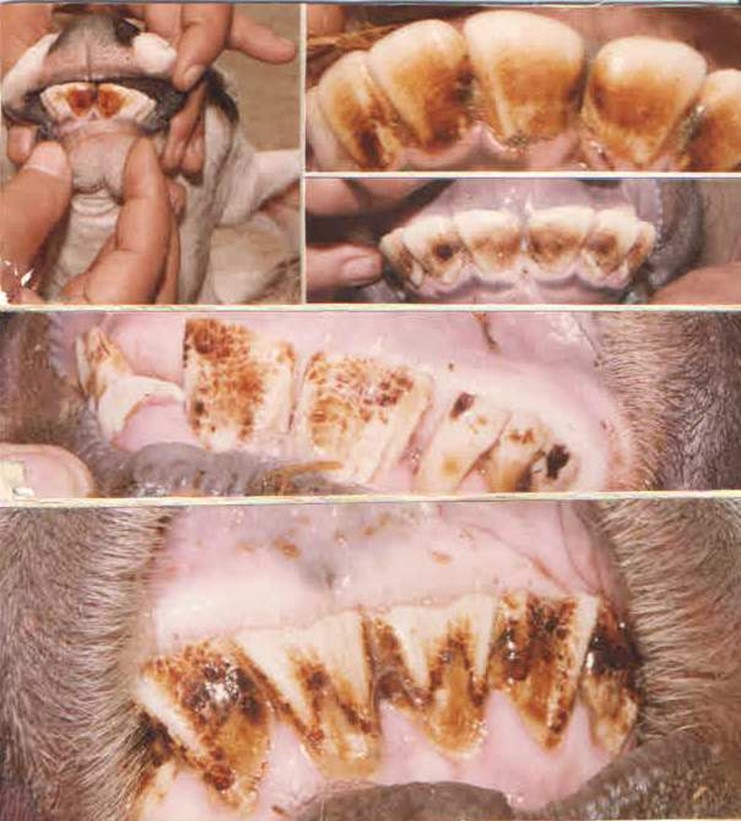
Figure 1. Severe dental fluorosis in bovine calves (a, b, and c) and mature bovines (d and e) characterized with deep brownish staining and excessive abrasion or irregular wearing of teeth and pronounced loss of teeth supporting the alveolar bone with recession and swelling of gingival (d and e).
Bones deformities (skeletal fluorosis)
Among the different forms of fluorosis, skeletal fluorosis is more dangerous, very painful, and highly significant since it diminishes the mobility of animals in very early age by producing varying changes in the bones, such as periosteal exostosis, osteosclerosis, osteoporosis, and osteophytosis [90-93]. The excess accumulation of fluoride in muscles also diminishes or restricts the bone movement which leads to lameness in animals. Although intermittent lameness, swollen joints, debility, mortality, wasting of body muscles, and bony exostosis or lesions in the mandibles, ribs, metacarpus, and metatarsus regions are well recognized in the animals exposed to high fluoride (Figure 2). In India, the maximum prevalence, 72.0% of skeletal fluorosis has been reported in bovines due to chronic industrial fluoride intoxication [55]. Extensive epidemiological studies on industrial skeletal fluorosis in different states are required to know the status of impact of industrial fluoride pollution which also helps in making of national health policy and mitigation of industrial fluorosis program for bovine animals. The severity of fluorosis or chronic fluoride intoxication in animals living in any geographical provinces can be attributed to a number of determinants or factors [68-75]. However, the prevalence and severity of industrial fluorosis is also depending on the distance between the potential source of fluoride emission and animals [44-46]. Chimney height and weather conditions, such as the consistency of the prevailing wind and the amount of precipitation, are also important contributory determinants to the origin and severity of industrial fluorosis in livestock [44-46].
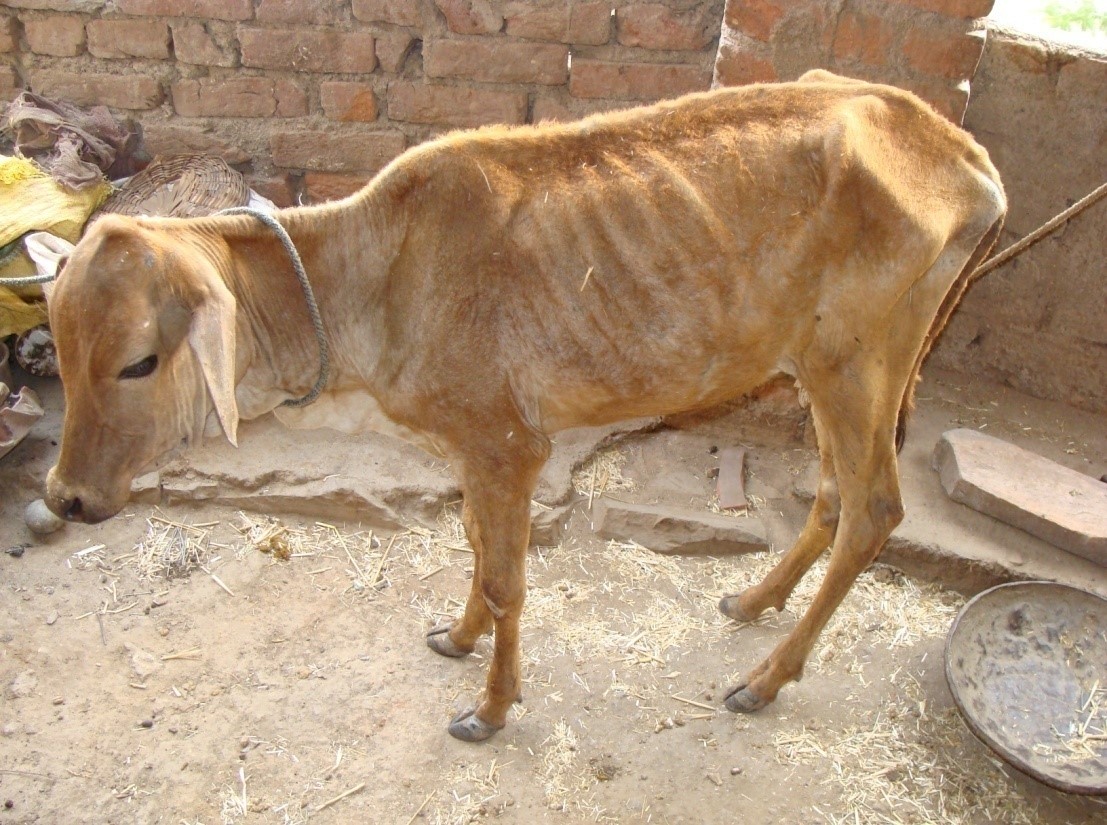
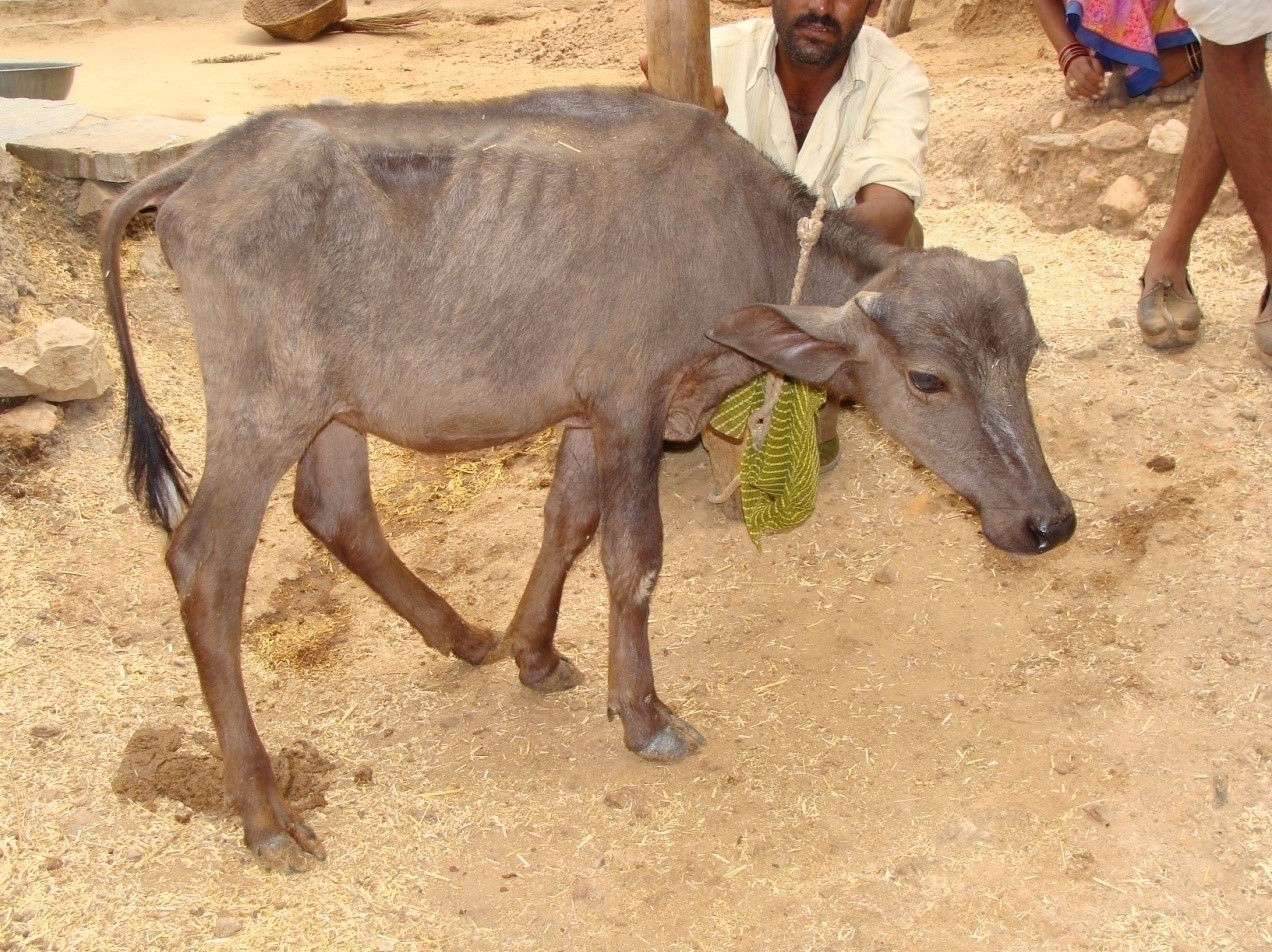
Figure 2. (a, b) Severe skeletal fluorosis in bovine calves characterized with lameness in hind legs, enlarged joints, debility, invalidism, wasting of body muscles, and bony lesions in ribs, metacarpus and metatarsus regions.
Toxic effects in soft tissues (non-skeletal fluorosis)
Apart from fluoride-induced changes in teeth and bones, fluoride also affects various organ systems and causes many health problems in domesticated animals. In bovines living in fluoride-emitting industrial areas, the most common health complaints were gastrointestinal discomforts (bloating, abdominal pain, constipation, and intermittent diarrhea), polyuria, polydipsia, weakness, irregular reproductive cycles, abortion, still birth, etc. [44-46]. At the same time, all these health complaints are not found in the same animal and are also temporary and mostly disappear within a short period of 7-10 days after cessation of fluoride exposure [44-46]. The importance of these complaints is that they are early signs of chronic fluoride poisoning. But these health problems are also possible due to other reasons. However, for the confirmation of fluoride poisoning, in addition to the assessment of fluoride in urine and blood serum, the presence of dental and skeletal changes is more important for the confirmation of any kind of chronic fluoride intoxication. Besides these fluoride-induced health problems, industrial fluoride intoxication also causes biochemical and hematological changes in animals [55,56]. In fact, fluoride lowers serum calcium, albumin, and total protein levels while it increases serum alkaline phosphatase and inorganic phosphorus content. Similarly, it also decreases erythrocyte count, hemoglobin, and packed cell volume, due to which there is anemia in the fluorotic animal. Changes in serum biochemistry and hemogram can be used for the diagnosis of fluorosis in bovines where clinical signs of osteo-dental fluorosis are not obvious or poorly evident.
Adverse Socio-economic Impacts
Cows and female buffaloes are reared in abundance mainly in rural areas in India. Because this not only gives steady income to the animal rearers but also strengthens the rural economy. But this is possible only when the health of these animals remains good. Due to chronic fluoride intoxication or fluorosis, the health of these animals starts getting weaker and worse day by day. This has a direct effect on the production of milk. Due to low production of milk, the income of the cattle rearer starts decreasing significantly. Due to dental fluorosis, the teeth of animals start breaking and falling quickly, due to which animals are not able to chew or masticate food properly. Due to this, animals die due to hunger [85]. This also causes economic loss to the bovines rearers [32,40]. Due to skeletal fluorosis, all small and big animals become victims of lameness. Farmers or villagers face a lot of difficulty in selling these lame animals in the market because people do not like to buy such animals. On the other hand, these animals have to be sold at a low price, due to which the animal owner has to bear the financial loss. Overall, due to fluorosis in animals, there is an economic loss to the animal rearers, which also has a direct or indirect adverse impact on their social level or status, including education, living standard, food, health, behavior, etc. There is a need to conduct research on a large scale to evaluate the adverse socio-economic impacts on rural people or animal owners caused by chronic industrial fluoride poisoning in the form of industrial fluorosis in their domesticated bovine animals. So far, no research work has been done on this important and burning topic. Therefore, there is a need for research on this subject.
How to Prevent Bovines from Industrial Fluorosis?
Industrial fluorosis not only weakens the health of the animals, but also causes socio-economic impacts on livestock owners. Once this disease happens to the animals, then it cannot be cured by any medicine or any treatment. But by taking some precautions, this disease can be prevented from happening in domesticated bovine animals. For this, it is necessary that animals should be protected from industrial fluoride exposure in any way. This is possible only if domesticated animals are prevented from grazing in the areas around factories that release fluoride into the environment or these animals should be shifted to such areas where there is no industrial fluoride pollution or contamination. The effects of industrial fluorosis can also be prevented by giving nutritious food to animals. Amelioration of fluoride toxicity in animals can be done by minimizing the fluoride absorption or enhance excretion through supplementation of calcium carbonate or gluconate, aluminum salts, magnesium metasilicate, and magnesium hydroxide, boron or milk [1]. However, once manifestations of chronic fluorosis develop in animals, treatment is ineffective.
Conclusion
In the rural areas of India, fluoride toxicant is present in varying amounts in the drinking ground water of almost every state of India [5,46], due to which there is a problem of hydrofluorosis not only in humans but also in various species of domesticated animals. But fluoride pollution from various factories also causes fluorosis disease in domesticated bovines, about which information among common people is negligible. Chronic industrial fluoride poising or industrial fluorosis not only damages the teeth and bones in bovine animals but it also affects other parts of the body due to which many types of health problems start developing in the animals one after the other. Due to deformation of the bones, the animal walks with a limp, for which no permanent treatment is available. Number of animals are suffering from this industrial fluorosis disease in many states of the country. But neither the animal keepers known about it nor the concerned people are worried about it. This disease not only spoils the health of the animals, but also causes huge economic loss to the animal parents, which also affects their social status. The occurrence of this disease in animals can be prevented by coordinated efforts and awareness among animal parents. There is a great need to conduct detailed research studies in animals in each state of India where there is fluoride pollution. The findings of these studies are very useful and important in formulating health plans and mitigation of industrial fluorosis program for economically important bovine animals. Moreover, some amount of fluoride is also found in the milk of animals suffering from fluorosis [94-97], drinking of which the possibility of adverse effects on the health of children cannot be ruled out. Therefore, there is a need for research on this subject.
Conflict of Interest
The author declares no conflict of interest.
Acknowledgements
The author thanks to Dr. Pallavi Choubisa, Department of Obstetrics and Gynaecology, R.N.T. Medical College and Pannadhay Zanana Hospital, Udaipur, Rajasthan 313002, India for cooperation.
References
2. Choubisa SL, Sompura K, Choubisa DK, Pandya H, Bhatt SK, Sharma OP, et al. Fluoride content in domestic water sources of Dungarpur district of Rajasthan. Indian Journal of Environmental Health. 1995;37(3):154-60.
3. Choubisa SL, Sompura K, Bhatt SK, Choubisa DK, Pandya H, Sharma OP. Fluoride in drinking water sources of Udaipur district of Rajasthan. Indian Journal of Environmental Health. 1996;38(4):286-91.
4. Choubisa SL. An epidemiological study on endemic fluorosis in tribal areas of southern Rajasthan. A technical report. The ministry of Environment and Forests, Government of India, New Delhi, 1996, pp 1-84.
5. Choubisa SL. Fluoride distribution in drinking groundwater in Rajasthan, India. Current Science. 2018;114(9):1851-7.
6. ICMR. Manual of standards of quality for drinking water supplies. Special report series No. 44, New Delhi: Indian Council of Medical Research; 1974.
7. BIS. Indian standard drinking water- specification. 2nd revision. New Delhi: Bureau of Indian Standards; 2012. p. 2.
8. Choubisa SL, Sompura K, Bhatt SK, Choubisa DK, Pandya H, Joshi SC, et al. Prevalence of fluorosis in some villages of Dungarpur district of Rajasthan. Indian Journal of Environmental Health. 1996;38(2):119-26.
9. Choubisa SL, Pandya H, Choubisa DK, Sharma OP, Bhatt SK, Khan IA. Osteo-dental fluorosis in bovines of tribal region in Dungarpur (Rajasthan). Journal of Environmental Biology. 1996;17(2):85-92.
10. Choubisa SL, Sompura K. Dental fluorosis in tribal villages of Dungarpur district (Rajasthan). Pollution Research. 1996;15(1):45-7.
11. Choubisa SL, Choubisa DK, Joshi SC, Choubisa L. Fluorosis in some tribal villages of Dungarpur district of Rajasthan, India. Fluoride. 1997;30(4):223-8.
12. Choubisa SL. Fluoride distribution and fluorosis in some villages of Banswara district of Rajasthan. Indian Journal of Environmental Health. 1997;39(4):281-8.
13. Choubisa SL. Fluorosis in some tribal villages of Udaipur district (Rajasthan). Journal of Environmental Biology. 1998;19(4):341-52.
14. Choubisa SL. Chronic fluoride intoxication (fluorosis) in tribes and their domestic animals. International Journal of Environmental Studies. 1999;56(5):703-16.
15. Choubisa SL. Endemic fluorosis in southern Rajasthan (India). Fluoride. 2001;34(1): 61-70.
16. Choubisa SL, Choubisa L, Choubisa DK. Endemic fluorosis in Rajasthan. Indian Journal of Environmental Health. 2001;43(4):177-89.
17. Choubisa SL. Fluoride in drinking water and its toxcosis in tribals, Rajasthan, India. Proceedings of National Academy of Sciences, India Section B: Biological Sciences. 2012; 82(2):325-30.
18. Choubisa SL, Choubisa D. Genu-valgum (knock-knee) syndrome in fluorosis- endemic Rajasthan and its current status in India. Fluoride. 2019;52(2):161-8.
19. Swarup D, Dwivedi SK. Environmental pollution and effect of lead and fluoride on animal health. New Delhi: Indian Council of Agricultural Research; 2002.
20. Choubisa SL. Some observations on endemic fluorosis in domestic animals of southern Rajasthan (India). Veterinary Research Communications. 1999;23(7):457-65.
21. Choubisa SL. Fluoride toxicity in domestic animals in Southern Rajasthan. Pashudhan. 2000;15(4):5.
22. Choubisa SL. Fluoridated ground water and its toxic effects on domesticated animals residing in rural tribal areas of Rajasthan (India). International Journal of Environmental Studies. 2007;64(2):151-9.
23. Choubisa SL. Dental fluorosis in domestic animals. Current Science. 2008;95(12): 1674-5.
24. Choubisa SL, Mali P. Fluoride toxicity in domestic animals. In: Dadhich L, Sultana F, editors. Proceedings of the National Conference on Environmental Health Hazards; 2009 Dec 17-18; Kota, Rajasthan, India. 2009. p.103.
25. Choubisa SL. Osteo-dental fluorosis in horses and donkeys of Rajasthan, India. Fluoride 2010;43(1):5-10.
26. Choubisa SL. Fluorosis in dromedary camels of Rajasthan, India. Fluoride, 2010; 43(3):194-9.
27. Choubisa SL, Mishra GV, Sheikh Z, Bhardwaj B, Mali P, Jaroli VJ. Toxic effects of fluoride in domestic animals. Advances in Pharmacology and Toxicology.2011; 12(2):29-37.
28. Choubisa SL, Modasiya V, Bahura CK, Sheikh Z. Toxicity of fluoride in cattle of the Indian Thar Desert, Rajasthan, India. Fluoride. 2012;45(4):371-6.
29. Choubisa SL. Fluorotoxicosis in diverse species of domestic animals inhabiting areas with high fluoride in drinking waters of Rajasthan, India. Proceedings of National Academy of Sciences, India Section B: Biological Sciences. 2013;83(3):317-21.
30. Choubisa SL. Fluoride toxicosis in immature herbivorous domestic animals living in low fluoride water endemic areas of Rajasthan, India: an observational survey. Fluoride. 2013;46(1):19-24.
31. Choubisa SL, Mishra GV. Fluoride toxicosis in bovines and flocks of desert environment. International Journal of Pharmacology and Biological Sciences. 2013; 7(3):35-40.
32. Choubisa SL. A brief and critical review of chronic fluoride poisoning (fluorosis) in domesticated water buffaloes (Bubalus bubalis) in India: focus on its impact on rural economy. Journal of Biomedical Research and Environmental Sciences. 2022;3(1): 96-104.
33. Choubisa SL. Chronic fluoride exposure and its diverse adverse health effects in bovine calves in India: an epitomised review. Global Journal of Biology, Agriculture and Health in Sciences. 2021;10(3):1-6.
34. Choubisa SL. Endemic hydrofluorosis in cattle (Bos taurus) in India: an epitomised review. International Journal of Veterinary Science and Technology. 2023;8(1):001-007.
35. Choubisa SL. A brief review of fluorosis in dromedary camels (Camelus dromedarius) and focus on their fluoride susceptibility. Austin Journal of Veterinary Science and Animal Husbandry Austin. 2023; In – press.
36. Spittle B. The diagnosis of chronic fluoride intoxication including the use of serum and urinary fluoride ion levels and a forearm radiograph in the diagnosis of stage II and III skeletal fluorosis. Fluoride. 2018;51(1):3-12.
37. Choubisa SL. The diagnosis and prevention of fluorosis in humans. Journal of Biomedical Research and Environmental Sciences. 2022;3(3):264-267.
38. Choubisa SL. How can fluorosis in animals be diagnosed and prevented? Austin Journal of Veterinary Science and Animal Husbandry. 2022;9(3):1-5.
39. Choubisa SL. A brief and critical review on hydrofluorosis in diverse species of domestic animals in India. Environmental Geochemistry and Health. 2018;40(1):99-114.
40. Choubisa SL A brief and critical review of hydrofluorosis in Rajasthan, India. Fluoride. 2018;51(1):13-33.
41. Choubisa SL, Choubisa D, Choubisa A. Fluoride contamination of groundwater and its threat to health of villagers and their domestic animals and agriculture crops in rural Rajasthan, India. Environmental Geochemistry and Health. 2022.
42. Choubisa SL. Status of chronic fluoride exposure and its adverse health consequences in the tribal people of the scheduled area of Rajasthan, India. Fluoride. 2022;55(1):8-30.
43. Ranjan R, Ranjan A. Fluoride toxicity in animals. Springer Briefs in Animal Sciences. 2015.
44. Choubisa SL. Industrial fluorosis in domestic goats (Capra hircus), Rajasthan, India. Fluoride 2015;48(2):105-15.
45. Choubisa SL, Choubisa D. Neighbourhood fluorosis in people residing in the vicinity of superphosphate fertilizer plants near Udaipur city of Rajasthan (India). Environmental Monitoring and Assessment. 2015;187(8):497.
46. Choubisa SL, Choubisa D. Status of industrial fluoride pollution and its diverse adverse health effects in man and domestic animals in India. Environmental Science and Pollution Research. 2016;23(8):7244-54.
47. Choubisa SL. Industrial fluoride emissions are dangerous to animal health, but most ranchers are unaware of it. Austin Environ Sci, 2023; in-press
48. Kumar PS, Aravindakshan CM. Industrial fluorosis and its effects on serum biochemistry and haemogram in cattle of Kerala, India. Proceedings of National Academy of Sciences, India Section B: Biological Sciences. 2015;85(3):867-72.
49. Rao DN, Pal D. Cattle fluorosis problem around an aluminium factory. Environmental Physiology and Ecology of Plants. 1978;2:399-406.
50. Behera SK. Studies on fluoride poisoning in cattle due to industrial pollution (MVSc thesis). Bhubaneswar: Orissa University of Agriculture and Technology, India. 1993.
51. Ray SK, Behra SK, Sahoo N, Dash PK. Studies on fluorosis in cattle of Orissa due to industrial pollution. Indian Journal of Animal Science. 1993;67:943-5.
52. Jena CK, Gupta AR, Patra RC. Osteo-dental fluorosis in cattle reared in villages on the periphery of the aluminium smelter in Odisha, India. Fluoride. 2016;49(4 Pt 2): 503-8.
53. Mandal KD, Das MR, Pati M, Gupta AR, Patra RC. Prevalence of fluorosis in calves reared in the vicinity of aluminium smelter plant, Odisha. International Journal of Chemical Studies. 2019;7(1): 2502-4.
54. Pati M, Parida GS, Mandal KD, Gupta AR, Patra RC. Clinico-epidemiological study of industrial fluorosis in calves reared near aluminium smelter plant, at Angul, Odisha. The Pharma Innovation Journal. 2020;9(6):616-20.
55. Patra RC, Dwivedi SK, Bhardwaj B, Swarup D. Industrial fluorosis in cattle and buffalo around Udaipur, of the India. Science of the Total Environment. 2000;253:145-50.
56. Swarup D, Dey S, Patra RC, Dwivedi SK, Ali SL. Clinico epidemiological observations of industrial bovine fluorosis in India. Indian Journal of Animal Science. 2001;71:1111-5.
57. Sheikh Z, Panchal L. Anthropogenic fluoride contamination and osteofluorosis in bovines inhabiting Umarda, Jhamarkotra and Lakkadwas villages of Udaipur, Rajasthan, India. International Journal of Innovative Research and Reviews. 2016; 6 (1):12-20.
58. Panchal L, Sheikh Z. Dental fluorosis in domesticated animals in and around Umarda village of Udaipur, Rajasthan, India. Haya: The Saudi Journal of Life Sciences. 2017; 2(7):248-54.
59. Swarup D and Singh YP. Bovine fluorosis in a brick kiln congested zone. Indian Journal of Veterinary Medicine Indian. 1989;9(1):12-4.
60. Swarup D, Dwivedi SK, Dey S, Ray SK. Fluoride intoxication in bovines due to industrial pollution. Indian Journal of Animal Science. 1998;68: 605-8.
61. USEPA. Reviews of the environmental effects of pollutants: IX. Fluoride. Environmental Protection Agency, Cincinnati, 1980.
62. Radostits OM, Leslie KE, Fetrow J. Herd health-food animal production medicine. Saunders, Philadelphia, 1994.
63. Jubb TF, Annand TE, Main DC, Murphy GM. Phosphorus supplements and fluorosis in cattle-a northern Australian experience. Australian Veterinary Journal.1993; 70:379-83.
64. Underwood EJ, Suttie NF. The mineral nutrition of livestock, 3rd edn. CAB International, Wallingford, 1999.
65. Choubisa SL. Radiological skeletal changes due to chronic fluoride intoxication in Udaipur district (Rajasthan). Pollution Research. 1996;15(3):227-9.
66. Choubisa SL. Toxic effects on bones. Advances in Pharmacology and Toxicology. 2012;13(1):9-13.
67. Choubisa SL. Status of fluorosis in animals. Proceedings of National Academy of Sciences, India Section B: Biological Sciences. 2012;82(3):331-9.
68. Choubisa SL, Choubisa L, Sompura K, Choubisa D. Fluorosis in subjects belonging to different ethnic groups of Rajasthan. Journal of Communicable Diseases. 2007; 39(3):171-7.
69. Choubisa SL, Choubisa L, Choubisa D. Osteo-dental fluorosis in relation to nutritional status, living habits and occupation in rural areas of Rajasthan, India. Fluoride. 2009;42(3):210-15.
70. Choubisa SL, Choubisa L, Choubisa D. Osteo-dental fluorosis in relation to age and sex in tribal districts of Rajasthan, India. Journal of Environmental Science and Engineering. 2010;52(3):199-204.
71. Choubisa SL. Natural amelioration of fluoride toxicity (Fluorosis) in goats and sheep. Current Science. 2010; 99(10): 1331-2.
72. Choubisa SL, Choubisa L, Choubisa D. Reversibility of natural dental fluorosis. International Journal of Pharmacology and Biological Sciences. 2011;5(20):89-93.
73. Choubisa SL, Mishra GV, Sheikh Z, Bhardwaj B, Mali P, Jaroli VJ. Food, fluoride, and fluorosis in domestic ruminants in the Dungarpur district of Rajasthan, India. Fluoride. 2011;44(2):70-76.
74. Choubisa SL. Osteo-dental fluorosis in relation to chemical constituents of drinking waters. Journal of Environmental Science and Engineering. 2012;54(1):153-8.
75. Choubisa SL. Why desert camels are least afflicted with osteo-dental fluorosis? Current Science. 2013;105(12):1671-2.
76. Bartolucci A. Casiinteressanti diosteitemalacica nei bovini. Mod Zooiat 23, Parte Scient, 1912, 194.
77. Bartolucci A. Della fluorosi o cachessia fluorica nei bovini. La Nuova Veterinaria 1927;5:1.
78. Vandermissen A, Blaude MN, Bloden S, Ansy M. Urinary fluoride in cattle, an indicator of atmospheric pollution in Wallonia. Annales de Medecine Veterinaire. 1993;137(6):435-42.
79. Agate JN, Bell GH, Boddie GF, Bowler RG, Buckell M, Cheeseman EA, et al. Industrial fluorosis. A study of the hazard to man and animals near Fort William, Scotland, Medical Research Council Memorandum No. 22. London: Her Majesty's Stationaru Office, 1949, p 1–131.
80. Burns KN, Allcroft R. Fluorosis in cattle. I. Occurrence and effects in industrial areas of England and Wales 1954–57, Ministry of Agriculture, Fisheries and Food, Animal Disease Surveys Report, no. 2, Part I. London: Her Majesty’s Stationary Office, 1964, pp 1–51.
81. Rosenberger G, Grunder HD. The effect of fluoride emission near HF factory. Fluoride. 1968;1:41-49.
82. Shupe JL. Fluorine toxicosis and industry. American Industrial Hygiene Association Journal. 1970;3:240-7.
83. Riet-Correa F, Carmen MM, Schild AL, Oliviera JA, Zenebon O. Dental lesions in cattle and sheep due to industrial pollution caused by coal combustion. Veterinary Bulletin. 1987; 57: 600.
84. Shupe JL, Bruner RH, Seymour JL, Alden CL. The pathology of chronic bovine fluorosis: a review. Toxicologic Pathology. 1992; 20(2): 274–288.
85. Wang HZ. Investigation of animal fluorosis in Baotou. Proceedings, Animal fluorosis in China, 1987, pp 30–42
86. Findaci UR, Sel T. The industrial fluorosis caused by a coal burning power station and its effects on sheep. Turkish Journal of Veterinary and Animal Sciences. 2001; 25:735-41.
87. Choubisa SL. A note on bovine calves as ideal bio-indicators for endemic fluorosis. Indian Water Works Association; Proceedings of IWWA-National Seminar- 2013, Water- Present & Future, Jodhpur, Rajasthan, 24-25th Aug, 2013, pp 169-171.
88. Choubisa SL. Bovine calves as ideal bio-indicators for fluoridated drinking water and endemic osteo-dental fluorosis. Environmental Monitoring and Assessment. 2014; 186 (7):4493-8. doi 10.1007/s10661-014-3713-x.
89. Choubisa SL, Choubisa A. A brief review of ideal bio-indicators, bio-markers and determinants of endemic of fluoride and fluorosis. Journal of Biomedical Research and Environmental Sciences. 2021;2(10):920-5.
90. Choubisa SL, Verma R. Skeletal fluorosis in bone injury case. Journal of Environmental Biology. 1996;17(1):17-20.
91. Choubisa SL. Radiological skeletal changes due to chronic fluoride intoxication in Udaipur district (Rajasthan). Pollution Research. 1996; 15(3): 227-229.
92. Choubisa SL. Toxic effects on bones. Advances in Pharmacology and Toxicology. 2012;13(1):9-13.
93. Choubisa SL. Radiological findings more important and reliable in the diagnosis of skeletal fluorosis. Austin Medical Sciences. 2022;7(2):1-4.
94. Gautam R, Bhardwaj N. Fluoride accumulation in milk samples of domestic animals of Newa tehsil in Nagaur district (Rajasthan). The Ecoscane. 2009;3(3&4):325-6.
95. Gupta P, Gupta N, Meena K, Moon NJ, Kumar P, Kaur R. Concentration of fluoride in cow’s and buffalo’s milk in relation to varying levels of fluoride concentration in drinking water of Mathura city in India - A pilot study. Journal of Clinical and Diagnostic Research. 2015;9(5):5-7.
96. Pradhan BC, Baral M, Prasad S, Pradhan D. Assessment of fluoride in milk samples of animals of around Nalco Angul Odisha, India. International Journal of Innovative Pharmaceutical Sciences and Research. 2016;4(1):29-40.
97. Asembo E O, Oliech GO, Wambu EW, Waddams KE, Ayiekod PO. Dental fluorosis in ruminants and fluoride concentrations in animal feeds, faeces, and cattle milk in Nakuru county, Kenya. Fluoride. 2021;54(2):141-55.