Loading

Presumed tubercular unilateral occlusive vasculitis mimicking frosted branch angiitis with bilateral serpiginous-like choroiditis: A challenging asymptomatic case
Evelien Janssen, Veerle Van Severen, Vincent M. De La Porte
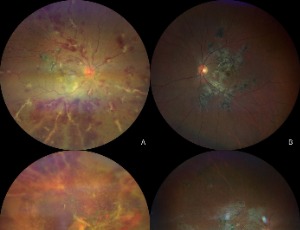
Purpose: To present a challenging case of tubercular uveitis in an asymptomatic patient, featuring unilateral occlusive vasculitis with a frosted branch angiitis phenotype and bilateral serpiginous-like choroiditis.
Methods: Case report with clinical photography.
High resolution ultrasound and surveillance of the augmented breast
Caroline Glicksman, Sarah Ferenz, Marshall Kadin, Patricia McGuire
Approximately 35 million women worldwide have silicone breast implants. Like all medical devices, breast implants are not lifelong, and all will eventually need to be removed, with or without replacement. In 2019, the U.S. Food and Drug Administration (FDA) updated its guidance on breast implant surveillance to include HRUS screening for silent rupture.
J Breast Cancer Res, , p58-64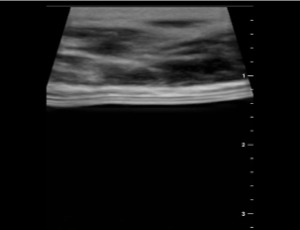
Autoimmune hepatic involvement in systemic sclerosis—systematic review and meta-analysis
Gurleen Kaur, Palak Grover, Bipneet Singh, Rahul Jain, Karanbir Singh, Merritt Bern
Systemic sclerosis (SSc) is a heterogeneous, multisystem autoimmune disease characterized by fibrosis in genetically predisposed individuals. It can involve multiple organ systems, but hepatic involvement is rare.
Arch Autoimmune Dis, , p7-14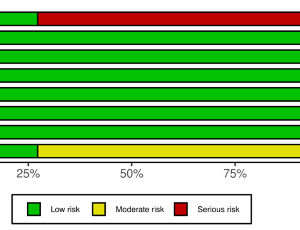
Pancreatic cancer therapy in the era of precision oncology
Sakarie Mustafe Hidig
Pancreatic cancer, predominantly pancreatic ductal adenocarcinoma (PDAC), remains one of the most lethal malignancies, characterized by late diagnosis, aggressive tumor biology, and profound resistance to conventional therapies. Despite advances in surgical techniques and combination chemotherapy regimens such as FOLFIRINOX and gemcitabine-based therapies, survival outcomes remain poor, with five-year survival rates barely exceeding 10%.
Clin Res Oncol, 2026, Volume 2, Issue 1, p12-17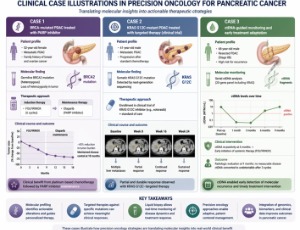
Prehospital anesthesia-led resuscitation during traumatic cardiac arrest following prolonged extrication: a case report
Alexis Martinez, Michael Broussard, Mary Scott-Herring
Background: Traumatic cardiac arrest during prolonged extrication presents significant physiologic challenges. While prehospital care traditionally relies on emergency medical services personnel, select systems deploy hospital-based teams capable of delivering advanced anesthetic and resuscitative interventions at the scene.
J Clin Anesth Intensive Care, , p12-14
Glimpsing the richness of intercellular dialogue in a snail embryo
Morgan Q Goulding
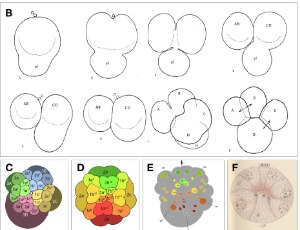
Snail embryos are textbook exemplars of autonomous cellular decision-making: in their spiral cleavage nearly every early cell division is asymmetric and oriented, creating a stereotyped and elaborate early pattern of fate-restricted cells (Figure 1A) reminiscent of the preformationist ‘homunculus’ fantasy.
Cell Signal, 2026, Volume 4, Issue 1, p47-51 | DOI: 10.46439/signaling.4.096